Sustainable School Project Solutions

Posted on 09/03/2026

In today's rapidly evolving world, the importance of sustainability cannot be overstated. Schools, as pillars of the community, play a crucial role in promoting sustainable practices. From reducing carbon footprints to enhancing educational outcomes, sustainable school project solutions offer myriad benefits. This article delves into various strategies that schools can deploy to become more sustainable, highlights the pros and cons, offers valuable tips, takeaways, and concludes with actionable insights.


The Importance of Sustainable Schools


Sustainability in schools is not just about environmental benefits but encompasses economic and social dimensions as well. Implementing sustainable project solutions in schools helps in:


    • Reducing energy consumption and operational costs

    • Fostering environmental stewardship among students

    • Enhancing indoor air quality and overall health

    • Preparing students for future green jobs



A wooden bed frame constructed from polished, medium-brown timber with a smooth finish. The frame features a headboard with vertical spindles supported by rounded posts, and a matching footboard with similar spindled detailing and rounded posts at each corner. The slatted base is visible beneath the frame, with evenly spaced wooden slats providing support. The bed is positioned against a plain white background, with no surrounding environment or additional objects visible, emphasizing the structure and craftsmanship of the wooden furniture. This detailed description focuses solely on the physical appearance and materials of the bed, aligning with the context of furniture removal or disposal in a professional waste management or rubbish removal setting, such as might be handled by Big Ben's independent collection services for bulky waste clearance or private disposal needs.

Energy-Efficient Solutions


One of the most impactful ways schools can become more sustainable is through energy-efficient solutions. These include:


Solar Panels

Installing solar panels is a significant step towards reducing dependency on non-renewable energy sources. Not only do they cut electricity costs, but they also serve as educational tools for students.


LED Lighting

Replacing traditional lighting with LED bulbs can drastically reduce energy consumption. LEDs are more efficient and have a longer lifespan compared to traditional bulbs.


Energy Management Systems

Implementing advanced energy management systems allows schools to monitor and control energy usage effectively. These systems can provide real-time data, enabling a proactive approach to energy conservation.


Waste Management Solutions


Recycling Programs

Schools can establish comprehensive recycling programs to manage waste effectively. By segregating paper, plastic, and organic waste, schools can significantly reduce landfill contributions.


Composting

Introducing composting programs can turn organic waste into valuable fertilizer for school gardens. This not only reduces waste but also teaches students about the benefits of composting.


Water Conservation Measures
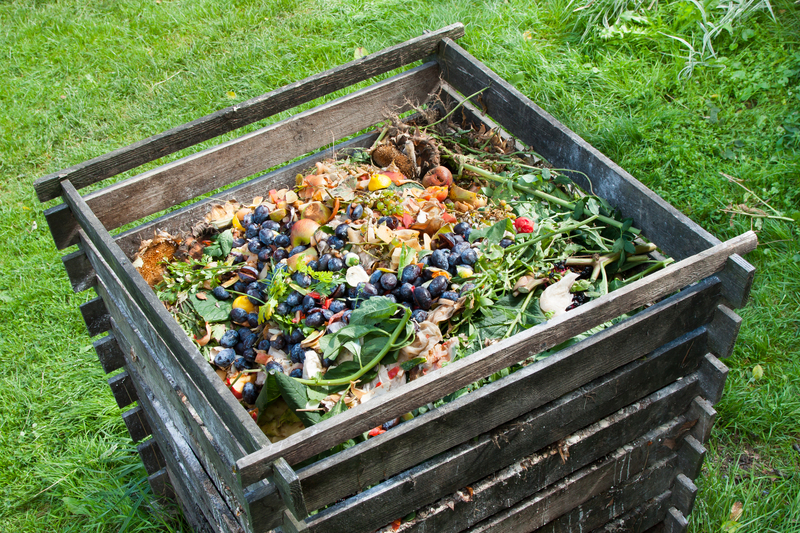

A large wooden compost bin situated outdoors on a grassy area, filled with rotting fruit and vegetable scraps including blueberries, apple peels, banana skins, and leafy greens. The bin is constructed from dark, weathered wooden planks, with slatted sides allowing airflow, and is positioned on a lush green lawn. Surrounding the bin, the grass appears well-maintained, and there are some taller grasses and plants nearby. The contents within the bin show signs of decomposition, with some items breaking down into softer textures and darker colors. The scene illustrates an example of organic waste collection for composting, which aligns with private or alternative waste handling methods often used in sustainable projects. The natural lighting highlights the varied colors and textures of the compost materials, emphasizing the environmental activity of organic rubbish processing outside of traditional rubbish collection systems. This setting visually supports local waste management practices like on-site composting or eco-friendly rubbish handling services provided by companies such as Big Ben, focusing on sustainable disposal approaches.

Rainwater Harvesting

Rainwater harvesting systems can be used to collect and store rainwater for various non-potable purposes, such as irrigation and flushing toilets. This reduces the demand on municipal water supplies.


Low-Flow Fixtures

Installing low-flow faucets, toilets, and urinals can significantly reduce water usage in school facilities.


Green Infrastructure


Green Roofs

Green roofs not only provide insulation but also reduce runoff and create green spaces for educational activities and relaxation. They can also help in lowering the school's overall carbon footprint.


School Gardens

Creating school gardens can be a multifaceted educational tool. Students learn about agriculture, biology, and sustainability while contributing to a greener environment.


Pros and Cons


Pros:


    • Reduced operational costs

    • Enhanced environmental stewardship

    • Improved student health and learning environments

    • Educational opportunities in sustainability


Cons:


    • High initial investment costs

    • Maintenance and operational complexities

    • Possible disruptions during installation periods


Tips for Implementing Sustainable Solutions


    • Start with an energy audit to identify key areas for improvement.

    • Engage stakeholders, including students, teachers, and parents, to ensure community-wide involvement.

    • Seek external funding and grants specifically aimed at sustainable projects.

    • Implement pilot projects before scaling up to identify potential challenges.

    • Promote a culture of sustainability within the school through workshops and campaigns.


In the foreground of the image, a collection of mixed waste items is piled on a paved outdoor surface, including several large black plastic trash bags filled with unknown contents, some of which are partially torn, releasing crumpled paper and plastic packaging. Beside the bags, there are flattened cardboard boxes with visible corrugation edges, alongside a few plastic crates, some appearing empty. To the right, a metal wheelie bin with a closed lid sits on the pavement, with the bin's surface showing slight scratches and weathering. The background features a residential driveway or access path bordered by a low brick wall and some greenery, with natural daylight illuminating the scene. The waste appears to be gathered for special collection or disposal, representative of private rubbish removal services like those offered by Big Ben, emphasizing environmentally conscious on-site clearance options instead of local authority collection. The overall setting suggests a routine waste collection environment typical of independent rubbish removal undertaken by professional waste management specialists in the UK, supporting sustainable waste handling practices among educational or institutional projects, such as the sustainable school initiative referenced on the related webpage.

Key Takeaways


    • Sustainable school project solutions offer environmental, economic, and social benefits.

    • Energy efficiency, waste management, water conservation, and green infrastructure are key areas to focus on.

    • While there are initial costs and complexities, the long-term benefits outweigh these challenges.

    • Community involvement and a phased approach can ease the implementation process.


Conclusion


Adopting sustainable school project solutions is a forward-thinking approach that serves dual purposes: fostering a healthier environment and preparing the next generation for a sustainable future. The initial investment and effort required are balanced by the long-term gains in cost savings, enhanced learning environments, and positive community impact. By taking incremental steps and engaging the entire school community, the journey toward sustainability becomes not only attainable but also transformative for all involved.

Latest Posts

How Does Composting Help the Environment?

Sustainable School Project Solutions

Enhance Business Efficiency with Waste Collection

Turning Plastic Waste into Eco-Friendly Products

Ways to Donate an Old TV

The image shows a collection of waste materials arranged on a paved driveway or courtyard area, which appears to be outside a building. The foreground features a large black plastic bin bag, partially torn, lying among several old cardboard boxes with visible corrugated fluting and some flattened toppers, indicating previous use or storage. Adjacent are a few plastic containers of various sizes, some with lids, and other miscellaneous items like crushed packaging and discarded paper. To the right, there is a noticeable stack of wooden pallets, weathered with rough textures and faded paint, positioned next to a metal trolley or cart used for transporting waste. The background reveals parts of a building wall and possibly a garage door, with natural daylight illuminating the scene. The overall setting suggests an area designated for private waste disposal or on-site rubbish clearance, aligning with services provided by Big Ben for alternative waste handling solutions outside regular municipal collection. The environment appears tidy and organized for rubbish removal activities, emphasizing the importance of proper waste segregation and disposal in sustainable projects.
Ben Johnson

Ben Johnson leads Big Ben with a focus on innovation and efficiency in waste management. His leadership has propelled the company to prominence, implementing cutting-edge strategies for sustainable waste disposal. Under his guidance, Big Ben remains a trusted name in the industry.


  • 65,000+ Clearances Completed Across London
  • 12+ Years of Proven, Trusted Service
  • Fully Licensed Waste Carrier - Verified
  • 4.8 Google Rated by 150+ Satisfied Customers

24/7 CustomerService

Call Today 020 3743 8686

Why Choose Big Ben Removals & Clearances?


Other services we provide